
You have your key in your hand. It fits in the ignition perfectly. But the car will not start. The engine turns over, or maybe it does not respond at all, and the security light on your dashboard is blinking steadily. If this has happened to you, there is a good chance the issue is not mechanical. The problem is likely that your key is not programmed to communicate with your vehicle.
Transponder key programming is one of the most commonly misunderstood services in the automotive world. Most drivers know transponder keys exist, but very few understand what they actually do, why programming is required, or what their options are when something goes wrong. This guide covers all of it, including why working with a qualified
automotive locksmith in Houston is often faster and more affordable than making the trip to a dealership.
What Is a Transponder Key?
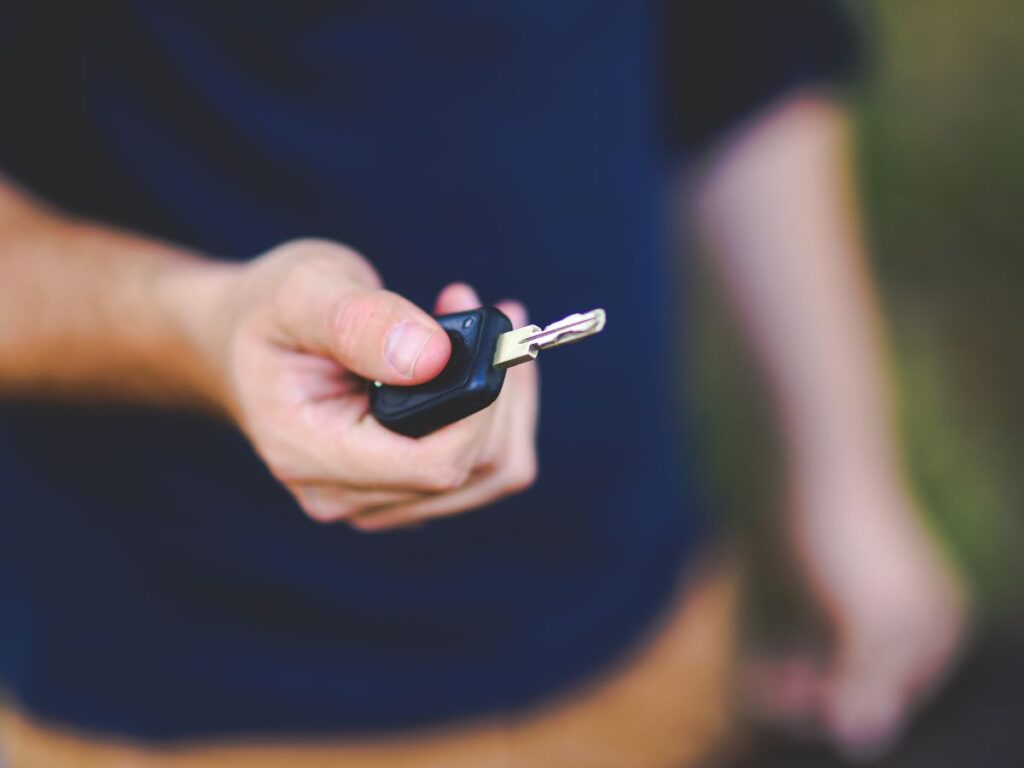
A transponder key is a car key that contains a small electronic microchip embedded in its plastic head. The word transponder is a combination of transmitter and responder, which is exactly what the chip does. When you insert the key and turn the ignition, a radio frequency antenna ring around the ignition sends a signal to the chip. The chip responds by transmitting a unique code back to the car’s engine control unit.
If the code the chip sends matches the code stored in the vehicle’s immobilizer system, the car allows the engine to start. If the code does not match, or if no signal is received at all, the immobilizer prevents the engine from firing. It does not matter how well-cut the physical blade of the key is. Without the correct chip signal, the car goes nowhere.
Transponder keys became standard on most vehicles sold in the United States beginning in the mid-1990s, and today virtually every modern passenger vehicle uses some form of electronic key security. Whether you drive a Toyota, Ford, Honda, or any other make, if your car was built in the last 25 years, it almost certainly has an immobilizer system that requires a programmed key.
How Does Transponder Key Programming Work?
Programming a transponder key means writing a unique code into the chip so it matches the code stored in your vehicle’s immobilizer module. This process requires specialized diagnostic equipment that can communicate directly with the vehicle’s onboard computer system.
There are several methods used depending on the vehicle make, model, and year.
On-Board Programming
Some vehicles allow a locksmith or technician to program a new key directly through a sequence performed with the ignition and existing programmed keys. This method requires having at least one or two working programmed keys already available. The sequence varies significantly by manufacturer and model. On-board programming is the most straightforward method when it is an option, but it requires precise execution and does not work for every vehicle.
Diagnostic Port Programming
The majority of modern vehicles require programming through the OBD-II diagnostic port, the same port a mechanic uses to read engine codes. Using professional-grade key programming software, a locksmith connects to the vehicle’s onboard computer and either adds a new key to the system or replaces all previously registered keys with a new one. This method works across a broad range of makes and models and does not require existing programmed keys.
This is the method most commonly used by professional automotive locksmiths and dealership technicians alike. The equipment required is expensive and must be regularly updated as manufacturers release new models, which is why key programming is not a DIY task and why the right professional matters.
Standalone Programmer Devices
For certain older vehicles, standalone programmer devices that work independently of the car’s diagnostic port are used. These read the transponder chip data directly and clone or overwrite the code. This approach is common for duplicating keys when the original is still available, and it can be faster than diagnostic port programming in the right circumstances.
Why Programming Is Required and Cannot Be Skipped
One of the most common misconceptions about transponder keys is that cutting the physical blade correctly is enough. It is not. A correctly cut key that has never been programmed will insert and turn in the ignition, but the car will not start. The engine immobilizer is doing exactly what it was designed to do: preventing the vehicle from being started by any key that has not been cryptographically authorized.
This security measure exists for a reason. Transponder systems made vehicle theft significantly more difficult when they were introduced. Before immobilizer systems became widespread, a car could be stolen with a simple bump key or by hot-wiring the ignition. Transponder technology changed that entirely, requiring would-be thieves to also defeat the electronic security layer, which is dramatically harder.
For the average driver, this means that whenever a key is lost, damaged, or a replacement is needed, programming is a non-negotiable part of the process. There is no shortcut and no workaround. The new key must be programmed before the car will start.
Locksmith vs. Dealership: Which Should You Choose for Transponder Key Programming in Houston?

When most people realize they need a transponder key programmed, the dealership is the first place they think to call. It makes intuitive sense. The dealership sold you the car and presumably knows it inside and out. But for transponder key programming, a qualified automotive locksmith is almost always the better choice, and often by a significant margin.
Cost
Dealership key programming typically costs between $150 and $400 or more, depending on the make and model, and that is before factoring in the cost of the key blank itself or any labor time. Automotive locksmiths in Houston generally charge considerably less for the same service because they carry lower overhead and are not subject to dealership markup structures.
For a fuller picture of what locksmith services cost across different types of jobs, our guide on
how much a locksmith costs in Houston breaks down pricing by service type so you know what to expect before you call.
Speed and Convenience
Getting a transponder key programmed at a dealership typically means scheduling an appointment, waiting for parts if the key needs to be ordered, and potentially leaving your vehicle at the service center for hours. A mobile automotive locksmith can come directly to your location in Houston, program the key on-site, and have you back on the road in a fraction of the time.
This is particularly valuable when you have no working key at all. If you are stranded somewhere across Houston because your only key stopped working, calling a dealership and arranging a tow is a far more expensive and time-consuming path than calling a local locksmith who can respond directly.
Same Equipment, Same Result
Professional automotive locksmiths use the same category of diagnostic programming equipment as dealership technicians. The end result, a correctly programmed transponder key that starts your vehicle reliably, is identical regardless of who performs the service. The difference is not in quality. It is in price, convenience, and response time.
Common Situations That Require Transponder Key Programming
Transponder key programming comes up in a number of different situations, and it is worth understanding which scenario you are dealing with before you call, because the approach and cost can vary.
The most common situation is a lost or stolen key. When you lose your only programmed key, you need a replacement cut and programmed from scratch. If there is any concern that the lost key could be found and used, the locksmith can also clear all previously programmed keys from the system and register only the new one, effectively rendering the lost key useless. Our post on
what to do when you lose your car key fob in Houston covers the full process in detail.
A damaged or malfunctioning key is another common trigger. If your key has been dropped, exposed to water, or the chip inside has failed from wear, the key may no longer send a readable signal to the immobilizer. In this case, you may have the physical key but the car still will not start. A locksmith can diagnose whether the issue is the chip, test the signal, and program a replacement.
Adding a spare key is perhaps the most proactive reason to seek transponder programming. Having a second programmed key ready before you ever need it is strongly advisable, and the cost of doing it under non-emergency conditions is almost always lower than doing it urgently after a loss.
For vehicle-specific programming details, you can explore our dedicated guides for
Toyota key fob replacement in Houston, Honda key fob replacement in Houston, and Ford key fob replacement in Houston for make-specific pricing and process information.
Can You Program a Transponder Key Yourself?
The short answer is: occasionally, and with significant limitations. Some older vehicles have an on-board programming sequence that can be performed by the driver without any external equipment, typically by inserting and removing an existing programmed key a specific number of times within a precise time window. For these vehicles, if you have an existing programmed key and a new unprogrammed blank, you may be able to complete the process yourself.
For the vast majority of vehicles manufactured in the last 15 years, self-programming is not possible without professional diagnostic equipment. Manufacturers have progressively locked down the programming process to prevent unauthorized key creation, which is exactly what makes the immobilizer system effective as a security measure. The same protection that stops a thief from cloning your key also prevents you from doing it at home.
Attempting to program a key without the right equipment will not damage your vehicle, but it will produce a key that does not work. The time and money spent on the attempt is typically better directed toward a professional who can do it correctly the first time.
What If You Are Already Locked Out?
If you are dealing with both a lockout and a key programming issue simultaneously, which does happen when the only available key is damaged or stops working, the situation calls for emergency automotive locksmith service. A technician can gain entry to your vehicle without causing damage and then program a new key on-site so you can drive away.
For context on what emergency automotive work typically costs in Houston, our guide on car lockout costs in Houston gives a clear breakdown. And if you need immediate assistance any time of day or night, our emergency locksmith services are available 24/7 across the Houston metro area.
Why Houston Drivers Choose CJS Locksmith for Transponder Key Programming
CJS Locksmith is a locally owned and operated Houston locksmith company with more than 20 years of experience serving drivers across the metro. Our automotive technicians are trained to program transponder keys for a wide range of makes and models, and we carry professional-grade programming equipment on every mobile unit.
When you call us for transponder key programming, you get a straight answer on what is involved, a clear price before any work begins, and a technician who will come to your location rather than requiring you to tow your vehicle anywhere. We work on cars in parking lots, driveways, roadsides, and wherever Houston’s drivers happen to need us.
Our goal is the same every time: get you back on the road quickly, without surprises, and without charging you dealer prices to do it.
The Bottom Line on Transponder Key Programming
Transponder key programming is not optional, not a dealer-only service, and not as complicated or expensive as many drivers assume. It is a precise technical job that requires the right equipment and the right expertise, both of which a qualified automotive locksmith brings directly to you.
If your key is lost, damaged, or simply no longer communicating with your vehicle’s immobilizer, a professional locksmith in Houston can diagnose the issue, cut and program a replacement key on-site, and have you driving again in the time it would take to schedule a dealership appointment.
Call CJS Locksmith at (832) 679-2919 for fast, transparent automotive locksmith service anywhere in Houston. We are available 24 hours a day, seven days a week, for situations that cannot wait.