
You just bought a smart lock online. The box claims “easy DIY installation in 30 minutes.” The manufacturer’s video makes it look straightforward. You’re handy enough—you’ve assembled furniture and hung shelves. How hard could installing a smart lock possibly be?
Then you read the reviews. One person stripped their door frame trying to drill mounting holes. Another couldn’t get the deadbolt aligned properly and now their door won’t close right. Someone else got the lock installed physically but can’t figure out why it won’t connect to WiFi. Another reviewer hired a locksmith to fix their failed DIY attempt, costing more than professional installation would have from the start.
Now you’re second-guessing everything. Should you tackle this installation yourself or hire a professional? What are the actual risks of DIY smart lock installation? What mistakes do DIYers commonly make that create security vulnerabilities? When does saving $150 on installation cost you more in the long run?
Here’s what makes this decision complicated: some smart lock installations genuinely are DIY-friendly for people with basic skills and tools. Other installations look simple but hide complexity that creates serious problems for inexperienced installers. The difference between successful DIY and expensive mistakes often comes down to factors you can’t assess until you’re already committed to the project.
This guide provides honest assessment of DIY versus professional smart lock installation, explains what actually determines installation difficulty and safety, identifies common DIY mistakes that compromise security or damage doors, helps you realistically evaluate whether DIY makes sense for your specific situation, and shows how professional installation from CJS Locksmith protects your investment in smart home security throughout Houston.
Understanding Smart Lock Installation Complexity
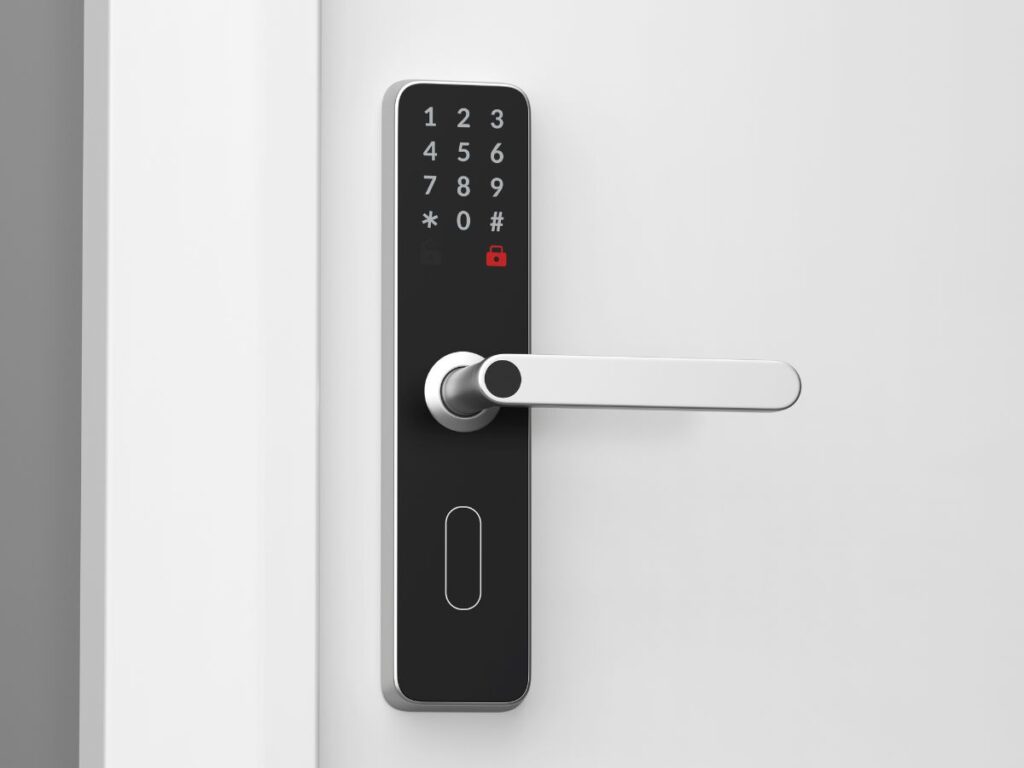
Before deciding between DIY and professional installation, understand what smart lock installation actually involves and what separates simple installations from complex ones.
The Two Components of Smart Lock Installation
Smart lock installation combines physical installation and digital configuration, each presenting different challenges and requiring different skills.
Physical installation involves mechanical work similar to traditional deadbolt installation. You must remove the old lock without damaging your door. You install the new lock’s exterior components with proper alignment. You mount interior components securely. You ensure the deadbolt extends and retracts smoothly through the proper bore hole. You verify the strike plate engages correctly when locked. This mechanical work requires basic tool skills, attention to alignment, and physical capability.
Digital configuration transforms installed hardware into a functioning smart lock. You download and install the manufacturer’s smartphone app. You create accounts with required credentials. You pair the lock with your phone via Bluetooth or connect it to your WiFi network. You create initial PIN codes for family members. You test all unlock methods to verify proper function. This technical work requires comfort with smartphone apps, network connectivity, and troubleshooting when things don’t work as expected.
Some people excel at physical tasks but struggle with technology. Others navigate apps easily but lack confidence with tools and mechanical work. Successful DIY smart lock installation requires competence in both domains, which explains why some DIYers succeed while others fail despite similar intelligence and effort.
What Determines Installation Difficulty
Multiple factors affect whether smart lock installation proves simple or problematic, with some factors invisible until you begin work.
Your door’s current condition dramatically affects installation difficulty. Doors with existing deadbolts in standard locations make installation straightforward when the new smart lock fits existing holes. Misaligned doors that don’t close properly need adjustment before smart lock installation to prevent motor strain and premature failure. Doors with non-standard bore holes that don’t match new lock dimensions require enlargement or repositioning. Doors that never had deadbolts need new holes drilled with precision. Each complication increases difficulty exponentially rather than linearly.
The smart lock model you chose affects installation complexity significantly. Simple retrofit models like August that attach to existing deadbolts install in 15 minutes with just a screwdriver. Complete deadbolt replacements require full lock installation comparable to traditional locks. WiFi-enabled locks need network configuration beyond basic pairing. Locks with extensive features require more complex setup and testing. Reading installation difficulty assessments in verified customer reviews provides realistic expectations beyond manufacturer marketing.
Your tools and skills determine whether you can handle installation complications. Basic installations require screwdrivers, possibly a drill for minor adjustments, and patience for alignment. Complex installations might need hole saws for bore holes, chisels for strike plate recesses, and measuring tools for precise positioning. Technical skills including app troubleshooting, network diagnostics, and systematic problem-solving become crucial when digital setup doesn’t work smoothly.
Houston’s climate introduces specific challenges affecting installation. High humidity can cause wood doors to swell, creating alignment issues that must be addressed before smart lock installation. Doors exposed to direct afternoon sun reach extreme temperatures requiring weather-resistant lock selection. Understanding these climate factors helps Houston homeowners choose appropriate locks and anticipate installation challenges. For Houston-specific guidance, CJS Locksmith’s residential services provide expert assessment of climate-related installation considerations.
When DIY Smart Lock Installation Makes Sense
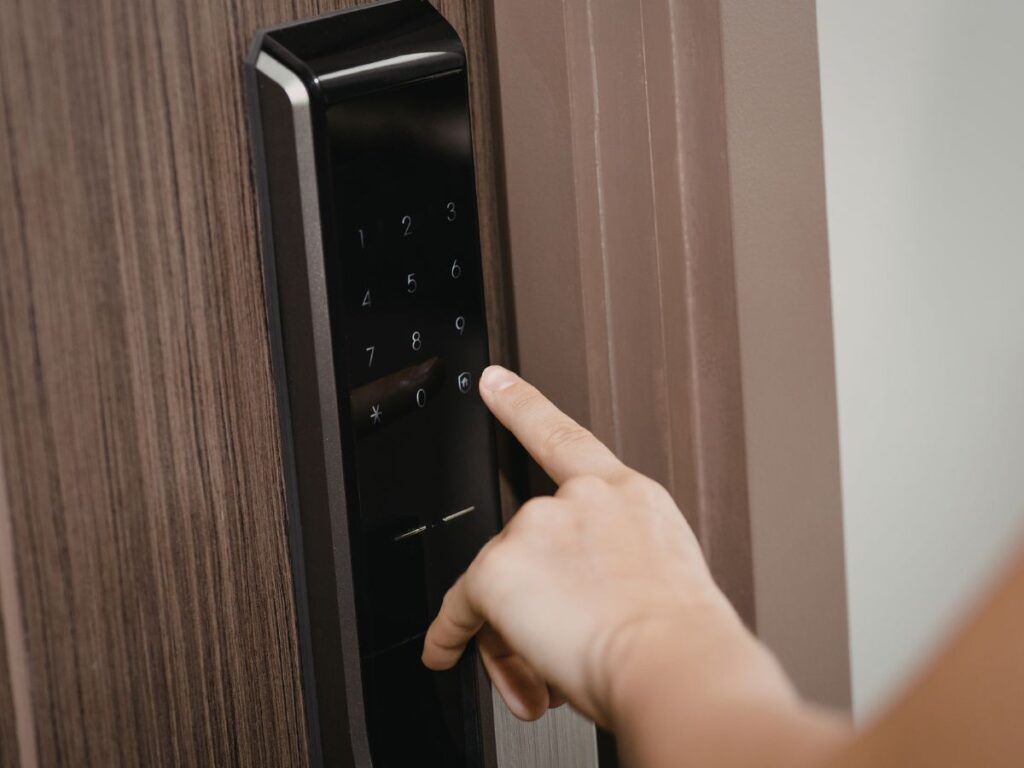
Despite potential complications, some situations genuinely favor DIY installation for capable homeowners willing to invest time and effort.
Ideal Conditions for DIY Success
Certain combinations of factors create favorable conditions for successful DIY smart lock installation without professional assistance.
You’re replacing an existing standard deadbolt with a compatible smart lock where the new lock fits existing bore holes perfectly. The door and frame are properly aligned with no sticking or binding. You have confidence that the current lock installation is correct. These ideal physical conditions mean installation is primarily swapping one deadbolt for another with similar dimensions and mounting requirements.
You’re installing a retrofit smart lock designed specifically for DIY installation. Models like August Smart Lock attach to your existing deadbolt’s interior side without removing or replacing anything. Installation literally involves unscrewing your existing interior lock mechanism and attaching the smart lock in its place. These retrofit models eliminate most physical installation complexity, reducing DIY challenges to digital setup.
You have appropriate tools readily available rather than needing to purchase specialized equipment for one installation. A drill, basic drill bits, screwdrivers in appropriate sizes, and measuring tape represent minimal tool requirements for straightforward installations. Lacking proper tools increases difficulty and risk of mistakes that damage doors or locks.
You’re comfortable with smartphone apps and technology troubleshooting. You’ve successfully installed other smart home devices. You don’t get frustrated when technology doesn’t work perfectly on the first attempt. You can systematically work through troubleshooting steps when pairing or connectivity problems arise. This technical comfort proves as important as physical skills for smart lock installation.
You have realistic time expectations, planning 2-4 hours rather than the “30 minutes” manufacturers advertise. Buffer time accommodates unexpected complications, careful reading of instructions, and occasional mistakes requiring correction. Rushed installations under time pressure lead to shortcuts that create problems.
Benefits of Successful DIY Installation
When DIY installation succeeds, several benefits reward your effort beyond just saving the installation fee.
Cost savings of $100-$250 represent meaningful money for many households. This saved cost might enable upgrading to a better lock model with the same total budget. For homeowners installing smart locks on multiple doors, DIY savings multiply substantially.
Learning experience from successful DIY builds confidence and skills transferable to other projects. Understanding how your lock works makes you more capable of handling minor issues independently. The knowledge gained has ongoing value beyond single installation cost savings.
Immediate availability means you can install locks on your schedule without waiting for locksmith appointments. No coordination with service providers is needed. You work at your own pace without external time pressure.
Satisfaction from completing a meaningful home improvement project yourself provides genuine reward. Successfully installing and configuring your smart lock creates pride of accomplishment and deeper connection to your home security.
Realistic DIY Skill Assessment
Honest self-assessment prevents attempting installations beyond your capability. Answer these questions truthfully before committing to DIY.
Have you successfully completed similar projects involving tools, measuring, and drilling? Installing shelves, assembling furniture, or hanging doors indicate relevant skills. If your home improvement history involves mostly failures or uncompleted projects, DIY smart lock installation may prove frustrating.
Can you follow complex written and visual instructions carefully? Smart lock installation involves numerous sequential steps that must be completed correctly. Skipping steps or misinterpreting instructions creates problems. If you typically glance at instructions and improvise, you’re more likely to encounter difficulties.
Are you comfortable troubleshooting when technology doesn’t work as expected? App pairing failures, connectivity problems, and unexpected error messages are common during smart lock setup. Can you systematically work through troubleshooting or do technical problems make you want to quit? Your frustration tolerance matters significantly.
Do you have adequate uninterrupted time for the project? Pausing mid-installation because you need to pick up kids, handle work calls, or attend to other responsibilities creates problems. Can you dedicate 3-4 hours of focused time? Installation quality suffers when attention is divided.
For honest assessment of your specific installation situation, contact CJS Locksmith for evaluation and guidance on whether DIY makes sense for your door, lock choice, and skill level.
Common DIY Smart Lock Installation Mistakes
Understanding mistakes other DIYers make helps you avoid them or recognize when professional installation would prevent problems.
Physical Installation Errors
Mechanical mistakes during physical installation create immediate problems or long-term reliability issues.
Improper strike plate installation represents the most common physical error with serious security implications. DIYers often use the short screws included with smart locks that only penetrate the door frame surface. Proper security requires 3-inch screws that penetrate through the frame into wall studs. Surface-mounted strike plates pull out easily under forced entry attempts, making expensive smart locks no more secure than cheap locks with proper installation.
Misalignment between the deadbolt and strike plate causes multiple problems. The smart lock motor strains to engage a misaligned strike plate, draining batteries faster and potentially burning out the motor. The door becomes difficult to close properly. The lock may appear locked when the bolt isn’t actually engaged in the strike plate. This dangerous misalignment compromises security while seeming functionally adequate.
Over-tightening screws strips threads in metal lock components or cracks plastic housings. DIYers sometimes assume tighter is better, applying excessive force that damages components. Stripped mounting holes require filling and re-drilling or professional repair. Cracked housings allow moisture infiltration in Houston’s humid climate, leading to premature electronic failure.
Incorrect bore hole sizes create mounting and operation problems. Some DIYers attempt to force locks into holes that are slightly too small, stressing components and preventing proper mounting. Others drill holes slightly too large, creating loose mounting that affects lock operation and security. Professional locksmiths have specialized hole saws that create precisely sized bore holes.
Door damage from slipped tools or incorrect drilling creates permanent cosmetic and functional problems. Scratched or gouged door surfaces require repair or refinishing. Incorrectly positioned holes might require filling and re-drilling. Doors damaged during failed DIY attempts sometimes need complete replacement, costing far more than professional installation would have.
Digital Configuration Mistakes
Technical errors during app setup and network configuration create security vulnerabilities or prevent smart lock features from working properly.
Leaving default passwords and PINs unchanged represents a critical security error. Manufacturers ship locks with default codes that attackers know. Many DIYers skip the step of changing default credentials, creating easy access for anyone who tries common default codes. This security vulnerability persists indefinitely until addressed.
Improper WiFi security configuration exposes smart locks to potential compromise. Some DIYers connect smart locks to unsecured guest networks. Others fail to enable proper encryption on home networks. Weak router passwords combined with WiFi-enabled smart locks create vulnerabilities that professional installers help homeowners address.
Failing to test all unlock methods after installation means undiscovered problems surface at inconvenient times. Keypad entry might work while smartphone app unlock fails. Fingerprint recognition might need additional setup. Mechanical backup keys might not turn smoothly. Testing every authentication method immediately after installation identifies problems while installer tools are still out and troubleshooting is easier.
Skipping firmware updates leaves known vulnerabilities unpatched. Many smart locks ship with outdated firmware that manufacturers have since updated to fix security issues or bugs. DIYers who complete physical installation and basic pairing without checking for firmware updates miss important security patches that professional installers ensure are applied.
Incorrect notification settings result in missing important security alerts or being overwhelmed with unnecessary notifications. Smart locks can notify you about low batteries, unauthorized access attempts, forced entry detection, and routine unlocks. Properly configuring which events trigger notifications requires understanding the features and your security priorities.
For installations going wrong or seeming more complex than expected, CJS Locksmith provides emergency locksmith services throughout Houston when DIY attempts create problems requiring professional correction.
Safety Risks of Improper Installation
Beyond inconvenience, some DIY installation mistakes create genuine safety and security risks that make professional installation worthwhile.
Security Vulnerabilities from Poor Installation
Improper installation can make expensive smart locks less secure than properly installed basic locks.
Loose mounting allows attackers to pry locks off doors with minimal force. If mounting screws don’t penetrate adequately or if plastic anchors are used instead of screws into solid wood, the entire lock assembly can be removed quickly. Security depends as much on proper mounting as on lock quality.
Gaps between lock and door from incorrect installation allow manipulation tools to be inserted. Proper installation creates flush mounting with no gaps. Poor installation leaves spaces where shims or other tools can be inserted to manipulate internal mechanisms or apply leverage for removal.
Exposed wiring in locks with electronic components creates tampering opportunities. Some smart locks have wires connecting exterior and interior components. These wires must route through the door properly without exposed sections. Visible wiring gives attackers targets for cutting or shorting connections.
Mechanical backup keys that don’t function properly force total dependence on electronics. When batteries die or electronics fail, backup keys should provide entry. If mechanical keyholes weren’t properly installed or if keys don’t turn smoothly, you’re locked out completely when electronics fail. This single-point-of-failure violates basic security principles.
Weak strike plate installation negates lock quality completely. Even premium smart locks become worthless if strike plates can be kicked in easily. Professional installation ensures strike plates are secured with long screws into wall studs, providing the resistance to forced entry that justifies investing in quality locks.
Physical Safety Hazards
Some DIY mistakes create immediate physical dangers beyond just security vulnerabilities.
Sharp metal burrs from improper drilling can cause cuts when reaching near the lock. Professional installers debur all drilled holes and filed edges smooth. DIYers sometimes leave sharp edges that cut fingers during lock operation or battery changes.
Pinch points from improperly aligned moving parts can injure fingers. Smart lock motors drive deadbolts that can pinch if clearances aren’t adequate. Children’s fingers are particularly vulnerable to pinch injuries from improperly installed locks.
Electrical hazards from hardwired smart locks improperly connected present shock and fire risks. Hardwired smart locks should be installed by qualified electricians or locksmiths with electrical expertise. DIYers attempting electrical connections without proper knowledge create dangerous situations.
Structural damage to doors or frames from excessive force or incorrect drilling weakens home security. Doors are structural components affecting building integrity. Damage from aggressive drilling or forcing components creates weak points that compromise security and might require expensive repair.
Long-Term Reliability Problems
Some installation mistakes don’t cause immediate problems but lead to premature failure or ongoing issues.
Moisture infiltration from gaps or cracks causes electronic failure over time. Houston’s humidity makes moisture protection critical for smart lock longevity. Professional installation ensures proper weatherstripping and sealed mounting. DIY installations with gaps allow moisture to reach sensitive electronics.
Motor strain from misalignment causes premature mechanical failure. Smart lock motors are designed for properly aligned installations. Forcing motors to operate against binding or misalignment burns them out prematurely, requiring expensive replacement or complete lock replacement.
Battery drain from poor wireless connectivity shortens battery life frustratingly. Smart locks positioned where WiFi signal is weak maintain connection by boosting transmission power, draining batteries faster. Professional installers assess signal strength and recommend solutions like WiFi extenders when needed.
Warranty voiding from improper installation means manufacturers won’t cover defects. Many smart lock warranties require professional installation or explicitly void coverage for DIY installation problems. Failed DIY attempts followed by warranty claims get denied, forcing out-of-pocket replacement.
For comprehensive security assessments ensuring installations meet professional standards, CJS Locksmith’s residential security services provide expert evaluation and correction of installation problems affecting security or reliability.
What Professional Smart Lock Installation Actually Includes
Understanding what professional installation provides beyond basic lock mounting helps evaluate whether the service justifies its cost.
Pre-Installation Assessment and Planning
Professional locksmiths assess your situation before beginning installation, identifying potential problems and planning appropriate solutions.
Door condition evaluation determines whether your door is suitable for smart lock installation without modifications. Locksmiths check alignment by testing whether the door closes smoothly without forcing. They verify bore hole sizes and positions match the smart lock you’re installing. They assess frame integrity to ensure it can support proper security hardware. This thorough assessment identifies problems that might surprise DIYers mid-installation.
Smart lock compatibility verification ensures the lock you chose will work properly with your specific door. Not all smart locks fit all doors despite manufacturer claims of “universal fit.” Professional locksmiths have experience with which models work well on various door types and can identify compatibility issues before you unbox the lock.
Tool and hardware assessment determines what equipment is needed for your specific installation. Complex installations might require specialized tools that professionals bring. Additional hardware like longer screws, reinforcement plates, or weatherstripping might be needed. Professionals come prepared rather than discovering mid-installation that critical components are missing.
Timeline and logistics planning ensures installation proceeds efficiently. Professional installers estimate accurate completion times based on your door’s condition and lock model. They coordinate timing for minimal disruption to your household. They plan the work sequence to avoid leaving your door unsecured mid-installation.
Precise Physical Installation
Professional mechanical installation ensures locks operate smoothly and securely from day one with proper techniques developed through experience.
Proper bore hole preparation creates precisely sized openings for lock components. Professional hole saws cut clean, accurate holes at correct positions. Locksmiths verify measurements multiple times before cutting. They ensure bore holes are perpendicular to door surfaces, not angled. This precision prevents binding, gaps, or misalignment that plague DIY installations.
Correct strike plate installation with long screws into wall studs provides security that justifies investing in quality smart locks. Professionals use 3-inch screws that penetrate through the frame into solid framing lumber. They position strike plates for perfect bolt engagement. They recess strike plates flush with the frame so bolts engage fully without gaps.
Alignment optimization ensures smooth lock operation without motor strain. Professional installers test deadbolt extension and retraction repeatedly, making micro-adjustments until operation is perfectly smooth. They verify the door closes easily without forcing. They ensure the smart lock motor operates effortlessly, maximizing battery life and mechanical longevity.
Weatherproofing and sealing protect electronics from Houston humidity. Professionals apply appropriate sealants around mounting holes. They ensure weatherstripping is positioned correctly. They verify no gaps allow moisture infiltration. This weather protection proves particularly valuable in Houston’s challenging climate.
Cosmetic excellence means professional installations look factory-finished rather than DIY. Mounting hardware aligns perfectly. Faceplates sit flush without gaps. No tool marks or scratches mar door finishes. The installation looks intentional and professional rather than improvised.
Expert Digital Configuration
Professional digital setup ensures all features work properly and security settings are optimized rather than accepting default configurations.
Complete app setup includes account creation with strong security credentials. Professionals guide you through setting secure unique passwords. They enable two-factor authentication when available. They configure notification preferences based on your security priorities rather than leaving default settings.
Network connectivity optimization ensures reliable wireless performance. Professionals verify strong WiFi or Bluetooth signal strength at lock locations. They recommend solutions like WiFi extenders when signal is weak. They configure networks for optimal smart lock performance considering your home’s layout and construction.
Smart home platform integration connects locks with Alexa, Google Assistant, Apple HomeKit, or Samsung SmartThings when requested. Professional installers complete platform-specific setup procedures. They test voice commands and automation routines. They ensure integrations work properly rather than leaving you to troubleshoot compatibility issues.
Security settings optimization configures locks for maximum security appropriate to your situation. Professionals set auto-lock timers based on your preferences. They configure tamper alerts and forced entry detection. They ensure access logging is enabled and working properly. This security-focused configuration goes beyond basic functional setup.
Comprehensive testing verifies every unlock method works properly before the installer leaves. Professionals test keypad PIN entry, smartphone app unlock via Bluetooth and WiFi, fingerprint scanning if equipped, voice control through connected platforms, and mechanical backup key access. This thorough testing identifies problems immediately while the installer is present with tools and expertise to fix issues.
The True Cost Comparison: DIY vs Professional
Comparing costs requires looking beyond just the installation fee to include hidden costs and long-term value.
Apparent DIY Savings
On the surface, DIY installation appears to save substantial money by eliminating the $100-$250 professional installation fee.
Zero installation fee means 100% of your budget goes toward lock hardware rather than splitting between hardware and labor. A $300 smart lock plus $0 DIY installation totals $300. The same $300 lock plus $150 professional installation totals $450. The $150 difference seems significant, representing 33% of total project cost.
For homeowners installing multiple smart locks, DIY savings multiply. Installing three locks professionally costs $350-$450 in installation fees. DIY eliminates $350-$450 in labor costs across multiple installations. This amplified savings makes DIY increasingly attractive for multi-lock projects.
Hidden DIY Costs
However, apparent savings don’t account for hidden costs that often equal or exceed installation fees.
Your time investment has real value even if you’re not paying yourself hourly. DIY smart lock installation typically consumes 2-4 hours for straightforward replacements when everything goes smoothly. Complex installations or troubleshooting problems can consume 4-8 hours or more. Valuing your time at even $30-$50 per hour means investing $60-$400 in time costs that aren’t captured in simple price comparisons.
Tools you don’t own might require purchasing. A quality cordless drill costs $50-$150. Hole saws for bore holes cost $20-$40. Chisels for strike plate recesses cost $20-$50. If you already own appropriate tools, DIY saves money. If you need to purchase tools for one installation, savings evaporate quickly. Tools become worthwhile purchases only if you’ll use them for multiple future projects.
Mistakes requiring correction add unexpected expenses. Stripped screw holes need repair with dowels or epoxy and re-drilling. Damaged doors might require filling, sanding, and refinishing. Incorrectly positioned holes might need professional correction. Failed DIY attempts that require calling professionals for rescue often cost more than professional installation would have originally, as locksmiths charge both to correct mistakes and complete proper installation.
Warranty complications from DIY installation can create expensive problems. Some manufacturers require professional installation to maintain warranty coverage. DIY installation of these locks voids warranties, meaning defects or failures become out-of-pocket expenses. Replacing a failed $350 smart lock because warranty claims were denied due to DIY installation costs far more than $150 installation fee would have.
Opportunity costs of time spent on installation rather than other activities represent real value. Hours invested in struggling with smart lock installation could have been spent on work, family time, or leisure activities you value. For busy professionals earning $50-$100+ hourly, spending 4 hours on DIY installation represents $200-$400+ in opportunity cost exceeding professional installation fees.
Professional Installation Value Beyond Labor
Professional installation provides value extending beyond just the time saved in physical installation.
Guaranteed proper installation ensures your smart lock works correctly from day one without troubleshooting or corrections. You don’t waste evenings attempting to fix problems. You don’t endure frustration from features that don’t work properly. The lock simply works reliably from the moment installation completes.
Expertise preventing common mistakes that compromise security or reliability protects your investment. Professional installers know pitfalls that trap DIYers. They avoid the alignment issues, weak mounting, and configuration errors that create long-term problems. This expertise has ongoing value throughout your smart lock’s lifetime.
Warranty protection and accountability mean someone stands behind the installation. If problems arise from installation issues, professionals return to correct them at no charge. Manufacturers honor warranty claims on professionally installed locks. This protection has real financial value.
Time savings let you focus on other priorities while installation happens efficiently. You don’t sacrifice entire weekends to lock installation. You schedule installation for convenient times and continue with other activities while professionals work. This reclaimed time represents genuine value.
Peace of mind from professional installation eliminates the anxiety of wondering whether you installed everything correctly. You don’t worry whether your lock is secure, properly configured, or aligned correctly. You trust professional expertise and move on with confidence.
Hybrid Approach: When to DIY and When to Call Professionals
Rather than absolute DIY versus professional decisions, strategic approaches combine both appropriately based on complexity and risk.
Starting DIY with Professional Backup
One reasonable approach attempts DIY with understanding that professional help is available if needed.
Order the smart lock and attempt installation yourself with realistic time expectations. Dedicate 3-4 hours without pressure. Follow instructions carefully. If installation proceeds smoothly, you save professional installation fees. If complications arise that you can’t resolve in reasonable time, stop and call professionals before causing damage.
Set a time limit for DIY attempts before calling professionals. Decide in advance that if you’re not successful after 2-3 hours, you’ll call a locksmith rather than persisting until frustration leads to mistakes. This predetermined stopping point prevents the sunk cost fallacy from driving you to continue long after DIY becomes counterproductive.
Keep professional locksmiths’ contact information readily available before beginning DIY. Research locksmiths in advance rather than frantically searching when problems arise. Having professional backup planned reduces pressure and anxiety during DIY attempts, knowing help is available if needed.
This hybrid approach works best for confident DIYers willing to admit when projects exceed their capabilities. It fails for people who persist stubbornly even when clearly struggling or who feel professional help represents personal failure.
Professional Installation for Primary Entry, DIY for Secondary Doors
Another strategic approach prioritizes professional installation for critical locks while DIY handles lower-risk installations.
Hire professional installation for front door or primary entry locks where security and reliability matter most. Professional installation ensures your main entry point has no vulnerability from installation mistakes. The peace of mind justifies professional installation fees for your primary security point.
Attempt DIY installation for garage entry, back doors, or rarely-used entries where mistakes have less critical impact. If DIY installation doesn’t work perfectly, the consequences are less severe on secondary doors. This approach lets you attempt DIY with reduced risk while ensuring critical entry points receive professional attention.
This prioritization recognizes that not all lock installations have equal importance. Your front door lock failing at midnight creates serious problems. Your rarely-used side door lock having minor issues you can tolerate creates minimal impact.
DIY Physical Installation with Professional Digital Configuration
Some homeowners have strong physical skills but lack technical comfort, suggesting splitting installation components.
Confident DIYers can handle the mechanical aspects of smart lock installation if the door is in good condition. Remove the old lock, install the new lock’s physical components, and ensure proper mounting and alignment. This mechanical work requires tool skills but not technical knowledge.
Call professionals specifically for network configuration, smart home integration, and optimization of security settings. Professional locksmiths or smart home installers handle the technical aspects you’re less comfortable with. This approach saves partial labor costs while ensuring complex technical configuration is handled expertly.
This split approach works only when clear division exists between physical and digital components. Some smart locks integrate setup where physical and digital installation can’t be meaningfully separated.
Making Your DIY vs Professional Decision
Ultimately, choosing between DIY and professional installation requires honest assessment of your situation, skills, and priorities.
Questions to Ask Before Deciding
Answer these questions honestly to guide your decision.
What condition is your door in currently? Doors in good condition with existing standard deadbolts favor DIY attempts. Misaligned doors, non-standard preparations, or doors needing new bore holes strongly favor professional installation.
What are your actual tool skills based on past project outcomes? If you’ve successfully completed similar projects involving drilling, measuring, and alignment, you might handle smart lock installation. If your home improvement projects typically end with professional rescue, professional installation makes sense from the start.
How comfortable are you troubleshooting technical problems? Smart lock digital setup inevitably involves some troubleshooting. Can you systematically work through problems or do technical issues trigger frustration and giving up? Your technical troubleshooting tolerance matters as much as tool skills.
What’s your realistic time availability for the project? If you can dedicate 4 hours of uninterrupted time, DIY becomes feasible. If you can only work in 30-minute chunks between other obligations, professional installation makes more sense.
How much do you value peace of mind versus cost savings? For some people, saving $150 justifies some risk and effort. For others, guaranteeing proper installation is worth $150 premium. Neither priority is wrong—it’s personal preference.
What are the consequences of installation problems at this specific door? Problems on your primary entry door create serious inconvenience. Problems on rarely-used doors are manageable annoyances. Risk tolerance should match door importance.
When Professional Installation Is Clearly Better
Certain situations strongly favor professional installation regardless of DIY confidence.
Your door requires modifications like enlarging bore holes or chiseling strike plate recesses. These permanent modifications are difficult to correct if done incorrectly. Professional tools and experience ensure modifications are done right the first time.
You’re installing expensive premium smart locks where installation mistakes could damage $400+ hardware. The cost of professional installation becomes insurance against damaging expensive locks.
You’re installing multiple smart locks throughout your home. Professional efficiency means installing three locks professionally might take only 2-3 hours total, while DIY might consume entire weekends. Professional installation becomes cost-effective at scale.
You’re integrating smart locks with existing security systems or complex smart home setups. Professional installers handle integration complexities that frustrate DIYers who lack experience with multiple systems working together.
You’re uncomfortable with either physical or technical aspects of installation. If either the mechanical work or digital configuration seems daunting, professional installation eliminates stress and ensures success.
Your time is valuable enough that $150 installation fees are modest compared to 3-4 hours of your time. Busy professionals earning $50+ hourly find professional installation cost-effective purely from time savings.
CJS Locksmith: Professional Smart Lock Installation Expertise
CJS Locksmith provides professional smart lock installation throughout Houston, combining traditional locksmith expertise with modern smart home technology knowledge.
Comprehensive Professional Installation
CJS Locksmith offers complete smart lock installation services addressing both mechanical and technical aspects. Physical installation follows industry best practices including proper bore hole preparation when needed, security-grade strike plate installation with long screws, precise alignment ensuring smooth operation, and weather-appropriate sealing for Houston climate.
Digital configuration ensures all features work properly from day one. Professional setup includes secure account creation, optimal network connectivity, smart home platform integration when requested, and comprehensive testing of all unlock methods. This thorough digital setup goes beyond basic pairing to optimize security and functionality.
Post-installation support provides ongoing assistance. Demonstration ensures you understand all features and operations. Training helps family members learn to use the smart lock. Follow-up support addresses questions arising during initial use. Professional installation includes service beyond just installing hardware and leaving.
Expert Problem-Solving and Correction Services
CJS Locksmith helps when DIY installations go wrong or when you decide mid-project that professional help is needed.
DIY rescue services address failed installation attempts. Locksmiths assess what went wrong, correct mistakes without judgment, complete proper installation, and often salvage situations that seemed impossible. Calling for help before causing extensive damage costs less than attempting to continue past your capability.
Damage repair fixes problems created during failed DIY attempts. Stripped screw holes are filled and re-drilled properly. Incorrectly sized bore holes are corrected. Door finish damage is minimized and repaired when possible. Professional intervention limits damage and restores functionality.
Security assessments verify installations meet professional security standards. If you completed DIY installation but want expert verification, CJS Locksmith evaluates whether installation is secure and properly configured. This peace of mind assessment provides confidence in your work or identifies issues requiring correction.
For immediate assistance when DIY installations encounter problems, CJS Locksmith’s emergency services provide rapid response throughout Houston, preventing DIY frustration from escalating into major problems.
Transparent Pricing and Honest Recommendations
CJS Locksmith provides clear pricing information and honest recommendations about when professional installation provides value versus when capable DIYers can succeed independently.
Consultation services help you make informed decisions before purchasing smart locks. Locksmiths assess your doors, discuss your capabilities honestly, and recommend whether DIY or professional installation makes sense for your situation. This objective guidance helps you make appropriate choices rather than selling professional installation universally.
Competitive pricing makes professional installation accessible. While not the cheapest option available, CJS Locksmith’s pricing reflects quality workmanship and professional expertise. Transparent quotes before work begins prevent surprise charges. The investment in professional installation protects your investment in smart lock hardware.
Quality focus means recommendations prioritize long-term success over short-term sales. If DIY makes sense for your situation, honest locksmiths tell you so. If professional installation will prevent likely problems, they explain why. This trustworthy approach builds relationships rather than maximizing single-transaction revenue.
Frequently Asked Questions
Can I install a smart lock myself or do I need a professional? Many smart locks are DIY-friendly for people comfortable with basic tools and technology. Simple replacements on standard doors work well as DIY projects. However, professional installation is recommended when doors need modifications, when installing expensive premium locks, when integrating with security systems, or when you lack confidence in either mechanical or technical aspects of installation.
What’s the most common mistake DIYers make installing smart locks? The most common and serious mistake is improper strike plate installation using only short screws that don’t penetrate into wall studs. This leaves expensive smart locks no more secure than cheap locks despite successful physical installation. Professional installation ensures strike plates are secured with 3-inch screws into solid framing lumber providing real security.
How long does professional smart lock installation take? Professional installation typically takes 1-2 hours for straightforward replacements on standard doors. Complex installations requiring door modifications or extensive smart home integration might take 2-3 hours. Professional installation from CJS Locksmith completes efficiently without the extended timeframes common with DIY attempts including troubleshooting.
Is professional smart lock installation worth the cost? Professional installation provides value justifying its $100-$250 cost through guaranteed proper installation, prevention of common mistakes compromising security, time savings of 2-4+ hours, warranty protection and accountability, and peace of mind from expert work. For expensive locks, primary entry doors, or installations involving complications, professional installation is clearly worthwhile.
What happens if my DIY smart lock installation goes wrong? If DIY installation encounters problems, stop before causing damage and contact CJS Locksmith for assistance. Professional locksmiths can assess what went wrong, correct mistakes, and complete proper installation. Calling for help early prevents extensive damage and typically costs less than attempting to continue beyond your capability.
Do smart locks come with professional installation included? No, smart locks sold at retail don’t include professional installation. Installation is a separate service you purchase from locksmiths or handymen. Some retailers partner with installation services for additional fees. When purchasing smart locks, factor installation costs into your total budget—either professional installation fees or the time investment for DIY attempts.
Choosing Your Installation Approach
The question “DIY or professional smart lock installation?” doesn’t have a universal answer. The right choice depends on your door’s condition, the smart lock’s complexity, your tool and technical skills, your available time, and your risk tolerance. DIY works well for capable homeowners installing simple replacement locks on standard doors in good condition. Professional installation makes sense for complex installations, expensive locks, or when ensuring proper installation justifies the investment.
CJS Locksmith provides professional smart lock installation throughout Houston with expertise ensuring proper physical installation, complete digital configuration, and reliable long-term operation. Whether you need professional installation from the start or expert assistance when DIY becomes problematic, CJS Locksmith delivers results that protect your investment in smart home security.
Contact CJS Locksmith for Expert Installation Services
Get professional smart lock installation with guaranteed proper setup, comprehensive testing, and ongoing support. Contact CJS Locksmith today to schedule installation or discuss whether DIY makes sense for your specific situation.
Residential Locksmith Services – Smart Lock Installation
Commercial Locksmith Services
Emergency Locksmith Services – DIY Rescue
Contact CJS Locksmith
Professional locksmith in Houston. CJS Locksmith—expert smart lock installation ensuring proper setup, secure configuration, and reliable operation for Houston homes.Need other locksmith services? CJS provides emergency locksmith services, automotive locksmith services, and commercial locksmith services throughout Houston.